
Table of Contents
Flexible seating for middle school students is an innovative approach to traditional classroom seating, allowing students to move freely and choose from various seating options. This approach has been shown to improve student engagement, focus, and overall learning experience. In this article, we will explore the benefits and options of flexible seating for middle school students.
Introduction to Flexible Seating
Flexible seating is an educational approach that focuses on providing students with a comfortable and supportive learning environment. By offering a variety of seating options, students can choose the one that best suits their learning style and needs. This approach has been successfully implemented in various educational settings, including elementary, middle, and high schools.
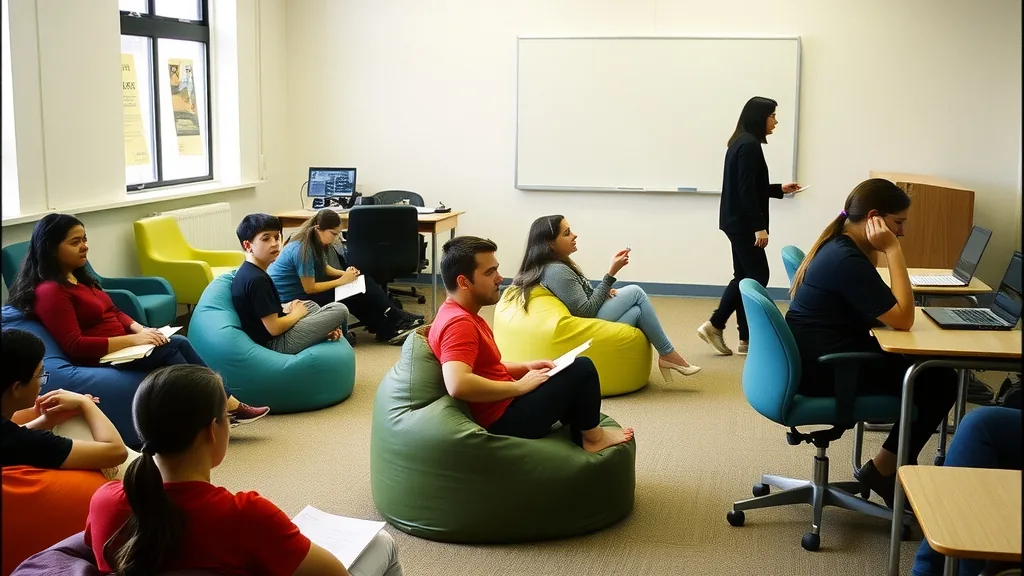
According to research, flexible seating can have a positive impact on student behavior and academic performance. For example, a study found that students who used flexible seating options showed improved focus and engagement during lessons. Additionally, flexible seating can help promote social skills and collaboration among students.
Flexible Seating for Middle School
Flexible seating for middle school students is particularly important, as this age group is characterized by significant physical and emotional changes. Middle school students need a learning environment that is supportive, comfortable, and conducive to their unique needs. Flexible seating options can help meet these needs by providing students with a sense of autonomy and control over their learning environment.
Some popular flexible seating options for middle school students include bean bags, wobble chairs, and standing desks. These options allow students to move freely and choose the seating arrangement that best suits their learning style. For instance, students who prefer to move around can use a wobble chair, while students who prefer to sit comfortably can use a bean bag.
Benefits of Flexible Seating
The benefits of flexible seating are numerous and well-documented. Some of the most significant advantages include improved student engagement, increased focus, and enhanced academic performance. Flexible seating can also help promote social skills and collaboration among students, as they learn to work together and respect each other’s differences.
In addition to these benefits, flexible seating can also help reduce student stress and anxiety. By providing students with a comfortable and supportive learning environment, teachers can help reduce the pressure and stress associated with traditional classroom seating. For example, students who are feeling anxious or overwhelmed can take a break and sit in a quiet area, such as a reading nook or a cozy corner.
Creating a Flexible Seating Classroom
Creating a flexible seating classroom requires careful planning and consideration. Teachers need to assess their students’ needs and preferences, as well as the available space and resources. Some popular strategies for creating a flexible seating classroom include incorporating different seating options, using color and texture to create a welcoming atmosphere, and encouraging student input and feedback.
For instance, teachers can use interactive posters to create a visually appealing and engaging learning environment. Additionally, teachers can encourage students to take ownership of their learning space by allowing them to choose the seating arrangement and decorate the classroom.
Flexible Seating for Middle School
Flexible seating for middle school students is a highly effective approach to creating a supportive and engaging learning environment. By providing students with a variety of seating options, teachers can help promote student autonomy, comfort, and academic success. Some popular flexible seating options for middle school students include flexible desks, balance balls, and floor seating.
According to the U.S. Department of Education, flexible seating can help improve student outcomes and reduce discipline problems. For example, a study found that students who used flexible seating options showed improved behavior and reduced discipline referrals. Additionally, flexible seating can help promote social skills and collaboration among students, as they learn to work together and respect each other’s differences.
Conclusion and Recommendations
In conclusion, flexible seating for middle school students is a highly effective approach to creating a supportive and engaging learning environment. By providing students with a variety of seating options, teachers can help promote student autonomy, comfort, and academic success. We recommend that teachers and administrators consider incorporating flexible seating options into their classrooms, as well as providing students with opportunities to take ownership of their learning space.
For busy parents who want to support their child’s learning, we recommend checking out our article on 7 ways to boost your child’s learning. Additionally, parents can encourage their child to use a debit card to teach them about financial responsibility and independence. By working together, teachers, administrators, and parents can create a supportive and engaging learning environment that promotes student success and well-being.
What are the benefits of flexible seating for middle school students?
Students gain increased engagement and focus, which directly improves their academic performance and overall classroom productivity. By providing diverse furniture choices, educators empower adolescents to take ownership of their learning space. This autonomy reduces restlessness, fosters better collaboration among peers, and creates a supportive environment tailored to individual student needs.
How can teachers create a flexible seating classroom?
Teachers establish dynamic learning environments by incorporating varied furniture choices and actively involving students in the room design process. Start by removing traditional rows and introducing diverse zones that cater to different tasks. Regularly gathering student feedback ensures the layout remains inclusive, comfortable, and perfectly aligned with evolving instructional goals daily.
What are some popular flexible seating options for middle school students?
Common choices include bean bags, wobble stools, and standing desks, all of which encourage healthy movement and physical comfort. These versatile tools help adolescents regulate their energy levels, leading to sustained concentration during lessons. By integrating these options, classrooms become more inviting spaces that support diverse learning styles and preferences.

Kurnia Ardha is a senior education strategist at Pralearn covering learning science, admissions, testing, and financial planning. 6+ years, 140+ guides. Method: cognitive research, admissions data, and aid policy modeling. Author of 2,084 education guides since 2022.


More Stories
The Definitive Orchestral Instrument Guide
The 5 Core Piano Skills Every Serious Player Must Master
Mastering Advanced Skills: 5 Frameworks for Career Growth