
Table of Contents
What defines an orchestral instrument? At its core, it’s any instrument designed for and integrated into a symphony orchestra’s complex sonic architecture. This isn’t just about playing notes; it’s about fitting into a centuries-old acoustic ecosystem where balance, blend, and projection are paramount. The selection and construction of each piece are deliberate, governed by acoustic principles refined over generations.
Mastery of this ecosystem separates amateur ensembles from professional institutions. Understanding the role, technique, and sonic character of each family is the first step toward true orchestral literacy.
The Four Families of the Orchestral Instrument
Every instrument in a symphony orchestra belongs to one of four foundational families. Each contributes a unique timbral color and functional role to the collective sound.
Strings: The Orchestral Foundation
The string section is the orchestra’s backbone, providing harmonic support, lyrical melodies, and rhythmic pulse. Instruments like the violin, viola, cello, and double bass produce sound through bowed or plucked strings. Their construction from specific types of wood (spruce, maple) is not tradition but acoustic science; these materials offer the ideal balance of strength and resonance.
A common myth is that more players automatically mean a louder section. In reality, blend and bowing technique are far more critical. A well-coated section of twelve violins, moving their bows in unison with consistent pressure and speed, will project more clearly and with better intonation than a larger, uncoordinated group.
Woodwinds: The Colorists
Woodwind instruments add distinct melodic lines and ethereal textures. This family includes the flute, oboe, clarinet, and bassoon. Despite the name, materials vary; modern flutes are often metal, while others use aged grenadilla wood. The key differentiator is their sound production method: air is directed against a edge (flute), a single reed (clarinet), or a double reed (oboe, bassoon).
Each woodwind has a pronounced personality. The oboe’s piercing, nasal timbre often gives the tuning pitch because its sound cuts through the ensemble. The bassoon’s reedy, sometimes comical lower register provides essential bass support to the wind choir.
Brass: Power and Majesty
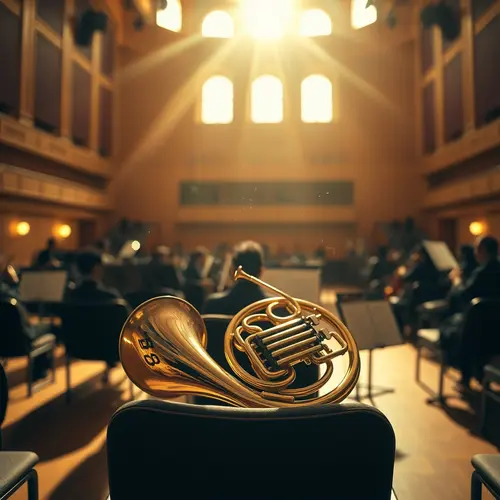
When a score calls for grandeur, heroism, or overwhelming force, the brass section delivers. Instruments like the trumpet, French horn, trombone, and tuba use vibrating lips against a metal cup or funnel-shaped mouthpiece to create sound, which is then amplified and shaped by long, coiled tubing.
The French horn is arguably the most challenging orchestral instrument to master. Its high harmonic series is extremely close together, leaving little margin for error in lip tension and air speed. A skilled horn section is the hallmark of a top-tier orchestra, capable of producing a sound that can be both devastatingly powerful and heartbreakingly soft.
Percussion: Rhythm and Effect
Far more than just keepers of time, the percussion section provides punctuation, texture, and special effects. It divides into two categories: pitched (timpani, xylophone, glockenspiel) and non-pitched (snare drum, bass drum, cymbals, triangle).
The timpani, or kettledrums, are the section’s anchors. Tunable to specific notes via a pedal mechanism, they provide the tonal foundation for rhythmic figures and dramatic rolls. According to a performance practice analysis cited by the Eastman School of Music, the precision of timpani tuning relative to the orchestra’s key is a primary indicator of a professional ensemble’s overall intonation awareness.
Orchestral Instrument Selection and Acoustic Role
Not every instrument built for concert performance earns a standard seat in the orchestra. Inclusion is based on several factors: the ability to project in a large hall without electronic amplification, the capacity to blend with other sounds, and a established repertoire of significant musical literature.
Consider the saxophone. While capable of great projection and expressiveness, its inherently vocal, vibrato-heavy tone struggles to blend seamlessly with the more straight-toned classical woodwinds. Consequently, it remains a specialist orchestral instrument, used for specific color rather than as a core section member.
| Instrument Family | Core Members | Primary Role | Key Acoustic Trait |
|---|---|---|---|
| Strings | Violin, Viola, Cello, Bass | Harmonic foundation, melody | Sustain, blend, dynamic range |
| Woodwinds | Flute, Oboe, Clarinet, Bassoon | Melodic color, texture | Articulation, distinct timbre |
| Brass | Trumpet, Horn, Trombone, Tuba | Power, fanfares, harmonic weight | Projection, harmonic series |
| Percussion | Timpani, Snare Drum, Cymbals | Rhythm, punctuation, effects | Attack, decay, pitch (if applicable) |
Orchestral Instrument: The Blending Principle
A conductor’s primary challenge isn’t beating time; it’s balancing sound. This requires each musician to understand they are part of a compound orchestral instrument. The goal is a unified sonority, not a collection of soloists.
- Listen across the stage. A violinist must hear the bassoon line they are doubling, matching its articulation and volume.
- Adjust tone color. A trumpeter playing a supportive harmonic line should use a mellower, more rounded sound than when playing a solo fanfare.
- Prioritize blend over individual brilliance. In most orchestral contexts, the perfect sectional chord where no single player stands out is the ideal.
This principle is often counterintuitive for talented soloists. The virtuosic technique required to play a Shostakovich violin concerto is different from the restrained, focused tone needed to play a sustained harmonic pad in a Brahms symphony. The latter is often the truer test of an orchestral musician’s skill.
Orchestral Instrument – Maintenance and Longevity
A professional-grade orchestral instrument is a precision acoustic device. Its performance is directly tied to its maintenance.
String instruments require regular adjustments to their sound posts and bridges by a skilled luthier to maintain optimal resonance. Woodwinds need pads replaced to ensure airtight seals, and brass instruments require periodic “chemistry” cleanings to remove built-up corrosion inside the tubing, which can dull the sound. As outlined in a preservation guide from the Library of Congress’s Music Division, proactive, scheduled maintenance is far more effective and less costly than repair after damage occurs.
Selecting and mastering an orchestral instrument is a lifelong pursuit of acoustic truth and collaborative artistry. It demands an understanding of physics, history, and human dynamics. The instrument itself is a tool, but its true purpose is only realized within the grand, intricate, and profoundly human mechanism of the orchestra. Knowledge of each piece’s design, role, and care is fundamental to contributing to that timeless sound.

Kurnia Ardha is a senior education strategist at Pralearn covering learning science, admissions, testing, and financial planning. 6+ years, 140+ guides. Method: cognitive research, admissions data, and aid policy modeling. Author of 2,084 education guides since 2022.

More Stories
The 5 Core Piano Skills Every Serious Player Must Master
Mastering Advanced Skills: 5 Frameworks for Career Growth
learn musical instrument: 5 Essential Tips for Beginners