
Table of Contents
To learn musical instrument successfully, start by picking an instrument that excites you, set a realistic daily practice goal, find quality instruction—whether online lessons or a local teacher—and commit to regular, focused practice. This approach builds technique, confidence, and long-term enjoyment.
Why learn musical instrument Boosts Brain Power
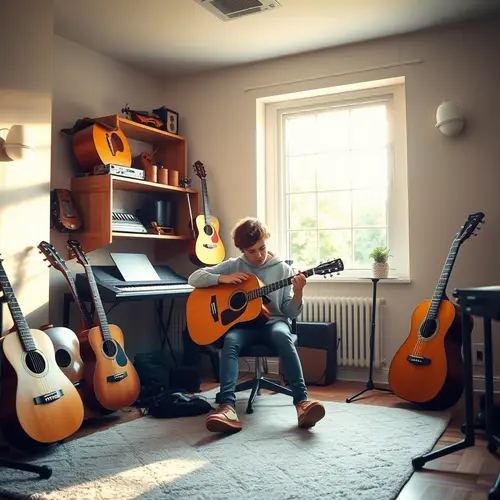
Before you learn musical instrument, consider what sound motivates you most; according to the National Association for Music Education, students who choose an instrument they enjoy are more likely to persist. Strings like guitar or violin offer melodic flexibility, while keyboards provide visual layout that aids theory understanding. Trying a rental or introductory class can help you decide without a large upfront cost.
When you learn musical instrument, consistency beats length; the Journal of Music Therapy highlights that regular, short practice sessions lower cortisol levels and improve mood. Aim for short, focused sessions of 15 to 20 minutes each day rather than occasional long marathons. Use a timer, track progress in a simple log, and celebrate small milestones to stay motivated.
Quality instruction accelerates when you learn musical instrument; the American Psychological Association notes that learning an instrument enhances executive function and problem‑solving skills. Look for certified teachers with proven track records, or reputable platforms that offer structured curricula and feedback. Complement lessons with free resources such as public domain sheet music, instructional videos from established music schools, and community forums where peers share tips.
| Instrument | Average Cost (USD) | Learning Curve | Ideal Age |
|---|---|---|---|
| Acoustic Guitar | $100‑$200 | Moderate | 8+ |
| Keyboard | $150‑$300 | Easy | 5+ |
| Violin | $120‑$250 | Steep | 6+ |
| Ukulele | $50‑$100 | Easy | 5+ |
- Select an instrument that matches your musical taste.
- Set a specific, achievable practice schedule (e.g., 15 minutes daily).
- Find a qualified teacher or reputable online course.
- Gather basic learning materials: tuner, metronome, beginner book.
- Record short videos weekly to review progress.
Consider Maya, a beginner who wanted to learn musical instrument but felt stuck after two weeks. She shifted from practicing scales alone to joining a weekly community jam session, which gave her immediate feedback and made practice social. Within a month, her confidence grew, and she could play simple songs with ease.
How to learn musical instrument Without Feeling Overwhelmed
In short, to learn musical instrument effectively, pick the right instrument, set a steady practice routine, seek quality guidance, and stay engaged with a supportive community. These fundamentals create a lasting foundation for musical growth.

Kurnia Ardha is a senior education strategist at Pralearn covering learning science, admissions, testing, and financial planning. 6+ years, 140+ guides. Method: cognitive research, admissions data, and aid policy modeling. Author of 2,084 education guides since 2022.



More Stories
Giuseppe Guarneri: Master Violin Maker’s Timeless Legacy
Easiest Instrument to Learn: 7 Top Picks
7 Essential Traditional Skills Worth Mastering