
Table of Contents
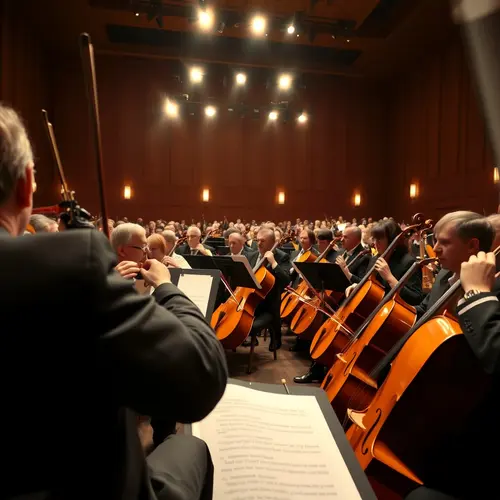
Becoming one of the elite orchestra players requires more than just technical proficiency on an instrument. It demands a combination of rhythmic precision, a deep understanding of ensemble blend, and the ability to follow a conductor’s nuanced gestures in real-time. This synergy allows a group of diverse musicians to function as a single, breathing organism.
The Core Technical Demands for Orchestra Players
Technical mastery is the baseline for any performing artist. However, playing for a major symphony orchestra differs significantly from a solo recital: you must prioritize the collective sound over individual brilliance.
1. Flawless Intonation and Pitch Matching.
Intonation is the most critical technical factor in an ensemble setting. In a section of twelve violins, a single sharp note disrupts the entire harmonic texture. Professional orchestra players spend hours practicing slow scales to ensure their pitch locks perfectly with the principal player.
2. High-Level Sight-Reading Ability.
Sight-reading is a non-negotiable skill in professional environments. Orchestral musicians frequently receive complex new repertoire with minimal rehearsal time. Interpreting intricate rhythms, dynamic markings, and style guides on the first read is what separates amateurs from elite professionals.
Critical Disciplines for Modern Orchestra Players
Beyond the notes, mental fortitude plays a huge role. Sitting in a section requires extreme focus for hours, often while playing supporting parts that may not have the spotlight.
According to the National Association for Music Education, the development of auditory awareness is the primary driver of ensemble success. This means listening more than you play.
orchestra players must master the art of “blending.” This involves adjusting tone color and volume to match the players around them, ensuring no single instrument sticks out unless explicitly requested by the score.
Instrumental Roles and Sectional Dynamics
The hierarchy within an orchestra is strict. The principal player leads the section, making critical decisions about bowing or phrasing that the rest of the group follows instantly.
Different sections provide different foundational elements. The strings provide the lush harmonic bed, while the brass and percussion offer power and rhythmic punctuation.
| Section | Primary Role | Key Skill Required |
|---|---|---|
| Strings | Harmonic Foundation | Unified Bowing & Vibrato |
| Woodwinds | Color & Solos | Precise Intonation |
| Brass | Power & Projection | Breath Control |
| Percussion | Rhythmic Pulse | Absolute Timing |
Orchestra Players : Debunking the “Perfect Technique” Myth
Many students believe that having a “perfect” conservatory technique is the only way to succeed. In my experience, this is a misconception. I have seen technically flawed musicians thrive because they possess superior “ensemble ears.”
The real secret is adaptability. A musician who can shift their tone to match a colleague is far more valuable than a virtuoso who refuses to blend. The goal is not to be the best player in the room, but to be the best orchestra players for that specific piece of music.
Practical Checklist for Audition Success
To turn these skills into a professional career, implement this daily practice checklist:
- Master Standard Excerpts: Focus intensely on the standard audition excerpts for your specific instrument.
- Rigorous Metronome Work: Practice with a click to build unshakable rhythmic stability.
- Self-Recording: Record your practice sessions to identify pitch drifts and timing inconsistencies you might miss while playing.
- Prioritize Recovery: Incorporate ergonomic warm-ups and cool-downs to protect your physical longevity.
Health is often overlooked. As noted by medical guidelines for performing artists, posture and stretching are vital to prevent tendonitis. Long hours of holding an instrument can lead to chronic pain if not managed.
Professional orchestra players often incorporate yoga or specific physical therapy to maintain the flexibility needed for high-level performance.
Success in this field is a marathon, not a sprint. It requires a lifelong commitment to learning and a humble approach to teamwork. By focusing on blend, intonation, and mental discipline, aspiring orchestra players can secure their place in the world’s most prestigious ensembles.
Related reading: 7 Essential Music Skills Every Musician Must Master and 7 Essential Traditional Skills Worth Mastering.

Kurnia Ardha is a senior education strategist at Pralearn covering learning science, admissions, testing, and financial planning. 6+ years, 140+ guides. Method: cognitive research, admissions data, and aid policy modeling. Author of 2,084 education guides since 2022.


More Stories
learn musical instrument: 5 Essential Tips for Beginners
Giuseppe Guarneri: Master Violin Maker’s Timeless Legacy
Easiest Instrument to Learn: 7 Top Picks