
Table of Contents
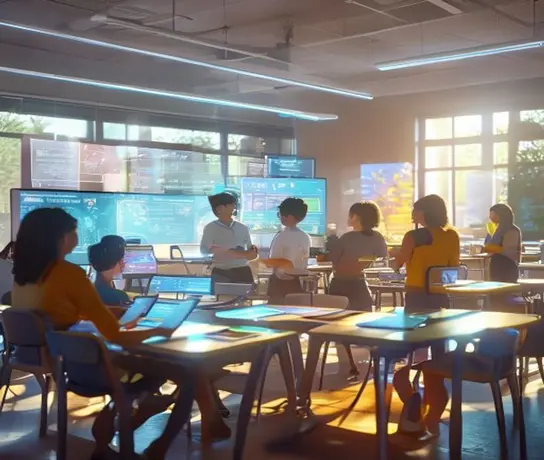
In the dynamic landscape of modern education, practical tools are no longer just aids; they are foundational elements transforming how we teach, learn, and administer. For educators navigating the complexities, these tools encompass a broad spectrum of digital and pedagogical solutions designed to enhance engagement, streamline workflows, and foster deeper understanding. They are the actionable resources that empower educators to meet diverse student needs, drive efficiency, and cultivate truly impactful learning experiences.
The Evolving Landscape of Practical Tools in Education
The pace of technological innovation in education has accelerated dramatically, shaping a new paradigm for teaching and learning. According to a recent report by EdSurge and the Learning Agency, AI integration and personalized learning pathways are no longer niche but mainstream expectations in 2026. This shift demands that educators not only adopt new technologies but also critically evaluate which practical tools offer genuine pedagogical value and align with evolving learning science principles.
Leveraging AI-Powered Practical Tools for Personalized Learning
One of the most transformative advancements has been the rise of AI-powered practical tools. These are not merely sophisticated algorithms but intelligent assistants designed to personalize instruction at scale. For instance, adaptive learning platforms can tailor content difficulty and pace based on individual student performance, providing targeted interventions and challenges. AI-driven feedback systems offer instant, constructive criticism on assignments, freeing up valuable teacher time to focus on complex problem-solving and socio-emotional development. As noted by UNESCO’s recent guidelines on ethical AI in education, careful implementation ensures these tools augment, rather than replace, the essential human connection in learning.
Effective classroom management, for instance, relies heavily on specific practical tools that promote seamless communication and track student progress. Learning Management Systems (LMS) like Canvas or Google Classroom have matured into comprehensive ecosystems, integrating everything from assignment submission to video conferencing. Beyond the classroom, administrative efficiency benefits immensely from integrated practical tools that automate scheduling, resource allocation, and data reporting, allowing institutions to operate with unprecedented agility.
Core Categories of Modern Practical Tools and Their Impact
To truly grasp the utility of these innovations, it’s helpful to categorize them by their primary function. Here’s a breakdown of essential tool types:
- Learning Management Systems (LMS): Central hubs for course content, communication, and assignment management. Examples: Canvas, Moodle, Google Classroom.
- Interactive Assessment & Feedback Tools: Platforms for formative and summative assessments, providing instant feedback and data analytics. Examples: Kahoot!, Mentimeter, Formative, Quizizz.
- Content Creation & Curation Platforms: Tools for developing engaging multimedia lessons, interactive presentations, and digital resources. Examples: Nearpod, Genially, Adobe Express.
- Collaboration & Communication Tools: Facilitate group work, shared projects, virtual whiteboarding, and real-time discussions. Examples: Miro, Jamboard, Microsoft Teams, Zoom.
- Accessibility & Inclusion Tools: Technologies that ensure learning content is accessible to all students, including those with disabilities. Examples: Text-to-speech readers, captioning services, screen magnifiers, immersive readers.
- AI-Powered Tutors & Adaptive Learning: Personalized learning paths, AI chatbots for query resolution, and intelligent content recommendation engines. Examples: Khanmigo, specific features within Coursera or edX, bespoke AI tutoring platforms.
Selecting the right array of practical tools is a strategic decision that can significantly impact educational outcomes. Educators must consider factors like ease of use, integration capabilities, data privacy compliance (especially crucial in 2026 with stringent regulations like GDPR and CCPA influencing EdTech deployments), and professional development support. The International Society for Technology in Education (ISTE) standards provide an excellent framework for evaluating the effectiveness and ethical implications of new tools.
Expert Opinion: Beyond the Hype – The Human Element Remains Paramount
A common myth that often resurfaces with technological advancement is the idea that “tools will replace teachers.” This couldn’t be further from the truth. My expert opinion, honed over 15+ years in the field, is that the most effective use of practical tools is when they *augment* human educators, not substitute them. AI can deliver personalized content, but it cannot inspire, empathize, or provide the nuanced mentorship that a human teacher offers. Tools automate the mundane, providing teachers with more capacity to focus on higher-order thinking skills, critical discussions, emotional support, and fostering a sense of community. The ultimate goal isn’t just to accumulate technologies, but to strategically implement practical tools that empower both teachers and learners to thrive in a complex world, ensuring digital literacy and critical thinking remain central to the curriculum.
Consider the data. A 2025 Pew Research Center study indicated that while students increasingly rely on digital resources, the quality of teacher-student interaction remains the strongest predictor of academic success and well-being. This reinforces that while practical tools are powerful, the human touch is irreplaceable.
| Tool Category | Primary Educational Benefit | Key Trend/Focus |
|---|---|---|
| Learning Management Systems (LMS) | Centralized learning resources, streamlined communication | Enhanced AI integrations, interoperability with external tools |
| Interactive Assessment | Real-time feedback, data-driven insights for differentiation | AI for predictive analytics, adaptive question generation |
| AI Tutors & Adaptive Learning | Personalized learning paths, immediate support | Ethical AI deployment, human-in-the-loop oversight |
| Collaboration & Communication | Facilitated group work, virtual presence, global classrooms | VR/AR integration for immersive collaboration, secure communication |
| Accessibility Tools | Ensuring equitable access for all learners | Proactive AI-powered content adaptation, neurodiversity support |
As we navigate the educational landscape of 2026 and beyond, the thoughtful integration of practical tools will continue to be a cornerstone of effective teaching and learning. The challenge and opportunity lie in moving beyond simply adopting technology to strategically harnessing its power to amplify human potential, foster creativity, and build truly inclusive, engaging, and future-ready learning environments for every student.

Kurnia Ardha is a senior education strategist at Pralearn covering learning science, admissions, testing, and financial planning. 6+ years, 140+ guides. Method: cognitive research, admissions data, and aid policy modeling. Author of 2,084 education guides since 2022.




More Stories
Giuseppe Guarneri: Master Violin Maker’s Timeless Legacy
Easiest Instrument to Learn: 7 Top Picks
7 Essential Traditional Skills Worth Mastering