
Table of Contents
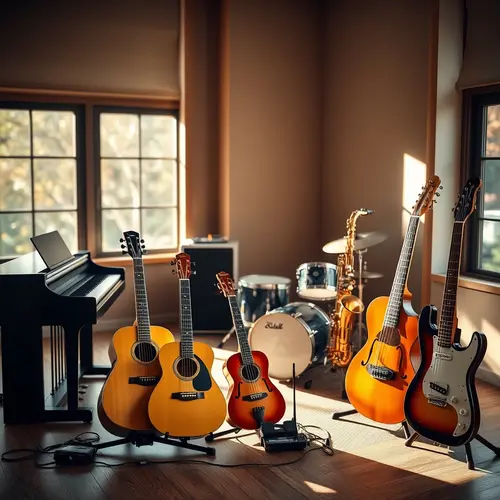
Choosing the best instrument to learn depends on your age, budget, physical attributes, and musical goals. Piano consistently ranks as the most beginner-friendly option due to its visual layout and immediate sound production, while guitar offers portability and versatility across multiple genres.
The decision impacts your learning trajectory for years. Make the wrong choice, and you risk frustration and abandonment.
This guide examines seven instruments through a practical lens, analyzing factors that music educators and researchers agree matter most for sustained progress.
What Makes the Best Instrument for Learning
According to the National Association for Music Education (NAfME), successful instrument selection depends on four core factors. Physical compatibility comes first—a six-year-old cannot manage a full-size guitar, and someone with small hands may struggle with wide piano stretches.
Budget considerations extend beyond the initial purchase. Maintenance, accessories, and lessons compound costs quickly.
Available practice space matters more than most beginners realize. Acoustic drums require isolation, while digital alternatives solve noise constraints. Musical goals should align with instrument capabilities—if you want to play in a rock band, oboe won’t serve that vision.
Age and Physical Development Considerations
Research in music pedagogy shows that age-appropriate instruments accelerate learning and reduce dropout rates. Children under seven develop better with instruments that provide immediate feedback and visible mechanics.
Piano and percussion instruments fit this profile perfectly. String instruments like violin require precise finger placement and bow control that younger children find frustrating.
Adults have different advantages. Cognitive maturity allows them to grasp theory faster, but physical habits prove harder to reshape than in children.
Seven Instruments Analyzed for Beginners
Piano: The Foundation Best Instrument
Piano dominates beginner recommendations for concrete reasons. The keyboard layout visualizes music theory—each key produces one pitch, and patterns repeat predictably.
No tuning maintenance exists with digital pianos, which cost significantly less than acoustics while offering headphone practice. The downsides include space requirements and initial investment (quality digitals start around $500).
Piano teaches both treble and bass clef simultaneously, building comprehensive music literacy faster than single-clef instruments.
Guitar: Portable and Versatile
Guitar offers the best instrument choice for those prioritizing social music-making and portability. Chord-based playing allows beginners to accompany songs within weeks.
Acoustic guitars require no amplification. Electrics need additional gear but enable genre diversity from jazz to metal.
The primary obstacle? Finger pain during the first month as calluses develop. Many quit before pushing through this barrier.
Ukulele: Simplified String Option
Four nylon strings make ukulele the gentlest string instrument for beginners. Smaller body size suits children and adults with mobility limitations.
Limited range and volume restrict advanced repertoire, but for casual playing and songwriting, ukulele delivers immediate gratification. Quality models cost $100-300.
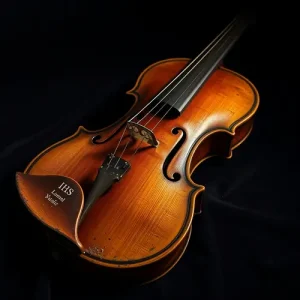
Violin: Classical Precision
Violin demands the longest path to competency. Producing a clean tone requires months of bow control practice, and pitch accuracy depends entirely on finger placement with no frets as guides.
However, orchestral opportunities and expressive range reward persistent students. Rental programs make trying violin affordable before committing to purchase.
Drums: Rhythm Foundation
Electronic drum kits solve the traditional drawbacks of acoustic drums—noise and space. Modern e-drums provide realistic feel with headphone output.
Drumming builds coordination and timing that transfer to all musical contexts. The barrier? Initial coordination challenges frustrate some beginners, and quality e-kits start around $400.
Saxophone: Wind Instrument Gateway
Saxophone produces sound more easily than most wind instruments. The single-reed mouthpiece requires less embouchure strength than brass instruments.
Alto saxophone fits most body types and offers extensive jazz, classical, and contemporary repertoire. Rental costs typically run $30-50 monthly.
Bass Guitar: Groove Specialist
Four strings and simpler chord voicings make bass more accessible than six-string guitar. Bass players remain in high demand for bands, providing motivation through regular performance opportunities.
The trade-off involves less melodic independence and heavier physical demands from thicker strings.
Best Instrument – Comparison: Critical Factors
| Instrument | Initial Cost | Learning Curve | Maintenance | Portability |
|---|---|---|---|---|
| Piano (Digital) | $500-1500 | Low | Minimal | Heavy |
| Acoustic Guitar | $150-500 | Medium | Low | High |
| Ukulele | $100-300 | Low | Minimal | Highest |
| Violin | $300-1000 | High | Medium | High |
| Electronic Drums | $400-1200 | Medium | Low | Medium |
| Saxophone | $500-2000 | Medium | Medium | Medium |
| Bass Guitar | $200-600 | Low-Medium | Low | High |
Best Instrument: The Commitment Myth
Most beginners obsess over finding the “perfect” best instrument before starting. This perfectionism causes paralysis.
Music educators report that instrument choice matters less than consistent practice and quality instruction. A mediocre instrument with daily practice outperforms an excellent instrument that sits untouched.
The common myth that you must commit to one instrument for life creates unnecessary pressure. Many successful musicians start on one instrument and switch after building fundamental musicianship.
Debunking the “Natural Talent” Fallacy
Research from music psychology dismantles the talent myth. Studies tracking thousands of music students show that practice quality and quantity predict success far more accurately than innate ability.
The “talented” students simply enjoy practicing more, creating a reinforcing cycle. Choose an instrument you find genuinely interesting, not one you think you should play.
Practical Next Steps
Before purchasing, rent or borrow an instrument for one month. This trial period reveals whether the physical feel matches your expectations.
Seek guidance from local music teachers during this trial. They assess your physical attributes and musical goals, providing personalized recommendations that generic advice cannot match.
Budget for lessons immediately. Self-teaching works for motivated adults with previous musical experience, but most beginners develop bad habits that take years to correct without proper instruction.
- Test multiple instruments before deciding
- Factor in ongoing costs beyond the purchase
- Prioritize consistency over intensity in practice
- Join group classes or ensembles for motivation
- Set achievable short-term goals (learn one song per month)
Making Your Final Decision
The best instrument for you balances practical constraints with genuine interest. If budget allows, piano or guitar provides the broadest foundation for future musical exploration.
For children under ten, piano, ukulele, or percussion builds skills that transfer across all instruments. Adults should prioritize instruments that align with their musical preferences—forcing yourself to learn classical piano when you love rock music guarantees frustration.
Remember that switching instruments later becomes easier after building foundational skills. Your first best instrument choice starts the journey, but it need not define your entire musical path.
Related reading: Best Music Instrument: 7 Smart Picks for Beginners and How to Learn a New Instrument: 7 Proven Steps.

Kurnia Ardha is a senior education strategist at Pralearn covering learning science, admissions, testing, and financial planning. 6+ years, 140+ guides. Method: cognitive research, admissions data, and aid policy modeling. Author of 2,084 education guides since 2022.
More Stories
Master Manual Skills: 7 Essential Techniques Guide
How to Learn a New Instrument: 7 Proven Steps
Best Music Instrument: 7 Smart Picks for Beginners